Confidence among Scotland’s private businesses has fallen sharply through the first half of 2026, but firms are responding by backing themselves rather than pulling back, according to the latest edition of KPMG UK’s annual Private Enterprise Barometer.
The research, which revisits the same Scottish businesses surveyed at the start of the year, shows that confidence in delivering growth over the next 12 months has fallen from 87 per cent at the beginning of 2026 to 68 per cent at the mid-year point. The dip reflects a challenging six months for the UK and global economy, marked by instability in global energy markets, persistent inflation and continuing trade restrictions.
Despite the softer sentiment, investment intent has held up. Technology remains the leading investment priority for Scottish businesses, with 44 per cent identifying areas such as artificial intelligence, cyber security and broader digital transformation as key focuses — a six-percentage-point increase on the position at the start of the year, though still 22 points below the UK average. Diversification is also firmly on the agenda, with 52 per cent of Scottish businesses looking to expand their service offerings and broaden their client base, down from 63 per cent at the start of 2026.
The most striking shift is in how Scottish firms plan to fund the growth they are still pursuing. Nearly six in 10 (59 per cent) say they are looking to invest through their own balance sheets — above the UK average of 57 per cent, and only two points below where the figure stood at the start of the year. Around a third (30 per cent) remain open to private equity investment.
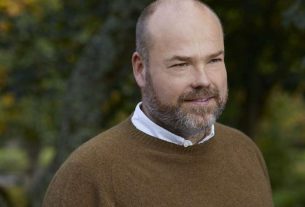
Vishal Chopra, Scotland Senior Partner at KPMG UK, said: “Scotland’s private businesses are proving resilient and are taking a pragmatic approach to the current economic environment. While confidence has eased slightly as firms continue to navigate inflation and global uncertainty, the ambition to grow remains clear.
“What’s particularly striking is that more businesses are choosing to back themselves. Rather than looking outside for funding, many are relying on their own balance sheets to invest and grow, giving them greater control at a time when the economic outlook remains uncertain.
“Now that the Scottish Parliament elections have passed, businesses will be looking for that renewed political focus to translate into greater economic certainty with a clear commitment to creating the conditions for investment and giving businesses the confidence to plan for long-term growth.”
Looking to the Autumn Budget, 37 per cent of Scottish businesses said they wanted to see growth-focused investment, industrial strategy, and business profitability and competitiveness prioritised by the incoming Chancellor. Inflation and cost pressures, and global disruption to UK supply chains and trade, were identified by 55 per cent as the two biggest short-term risks. Fifty per cent pointed to the UK economic outlook and productivity growth as the single biggest external factor shaping their investment, growth and exit planning.
KPMG’s Barometer was conducted by One Poll among 1,500 UK private business owners between 22 May and 10 June 2026, including 119 in Scotland.